
How OWCP Pain Clinics Support Long-Term Recovery
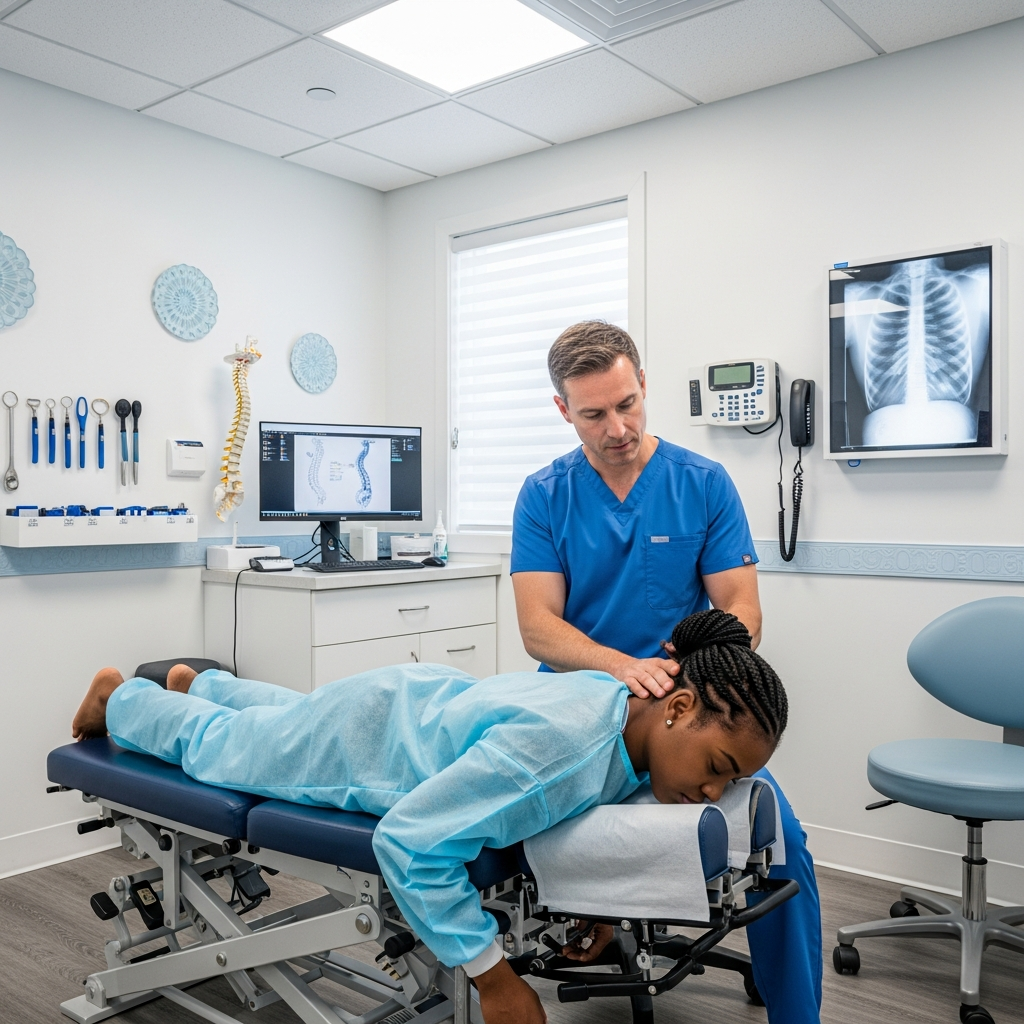
Picture this: It’s 6 a.m., and the alarm goes off. You reach over to turn it off, and that familiar jolt runs through your back – or your shoulder, or your knee – reminding you all over again that you’re not who you were before the injury. You lie there for a moment, doing the math in your head. *Can I get through today? Will it be a bad one?* Maybe you’ve been doing this calculation every single morning for months now. Maybe years.
If you’re a federal employee navigating a workplace injury, that scenario probably hit a little close to home.
Here’s the thing that doesn’t get talked about enough: getting through the acute phase of an injury – the emergency room visit, the initial diagnosis, the first round of treatment – that’s actually the easier part. As hard as it is, there’s a clear path. Someone tells you what to do next, and you do it. But then… what? The swelling goes down. The cast comes off. Your supervisor starts asking questions about your return-to-work timeline. And you’re standing there thinking, *I still don’t feel right. Something is still wrong.*
This is exactly where so many injured federal workers fall through the cracks.
Long-term recovery from a workplace injury is genuinely complicated – physically, emotionally, and administratively. Pain that lingers beyond the expected healing window isn’t just inconvenient. It’s disorienting. It makes you question yourself, your body, your future. And if you’re working within the Office of Workers’ Compensation Programs system, you’re also navigating a labyrinth of paperwork, authorizations, and requirements while trying to, you know, actually heal.
That’s where OWCP-authorized pain clinics come in. And honestly? They’re one of the most underutilized resources available to injured federal workers.
What Most People Don’t Realize About Pain Management
Most people – and this isn’t a criticism, it’s just human nature – think of “pain management” as a last resort. Something you do when everything else has failed. Or worse, they’ve heard the phrase and immediately picture a clinic that hands out prescriptions and sends you on your way. That’s a frustrating stereotype, and it’s kept a lot of people from getting help that could genuinely change their trajectory.
A legitimate OWCP pain clinic is something entirely different. It’s a multidisciplinary environment built around one central question: Why is this person still in pain, and what’s the most effective way to address it? That sounds simple, but the answer is almost never simple. Pain after a workplace injury can involve nerve damage, inflammatory responses, compensatory movement patterns you’ve developed without realizing it, psychological stress that’s embedded itself in your nervous system… the list goes on.
Actually, that last point is worth pausing on. The connection between chronic pain and mental health isn’t weakness – it’s neuroscience. But we’ll get into that.
Why This Matters for Your OWCP Case Specifically
There’s another layer here that’s specific to federal workers, and it’s important. Your OWCP case isn’t just about feeling better – it’s a formal, documented process. How your recovery is documented, what treatments are recommended, how your progress is tracked – all of it feeds back into your case, your compensation, your ability to return to work in a meaningful capacity.
An experienced OWCP pain clinic understands this. They speak the language. They know how to work within the system in ways that actually support your claim rather than accidentally complicating it.
So if you’ve been feeling like you’re managing your injury in isolation – dealing with the pain on one hand and the bureaucratic maze on the other, with nobody helping you connect the two – this is for you.
What follows is a thorough look at how OWCP pain clinics actually function, what a real long-term recovery plan looks like, what treatments are typically available, and how to make sure you’re getting everything you’re entitled to. Whether you’re newly injured or you’ve been grinding through this for years, there’s something here worth knowing.
You deserve more than just getting through the day. Let’s talk about what *actually getting better* can look like.
What OWCP Actually Is (And Why It Matters for Your Care)
If you’ve recently been injured on the job and someone mentioned “OWCP,” you might have nodded along while secretly wondering what that acronym even stands for. No judgment – it’s genuinely confusing at first. OWCP is the Office of Workers’ Compensation Programs, a division of the U.S. Department of Labor that oversees benefits for federal employees who’ve been hurt at work. Think of it as the safety net specifically designed for people who serve in federal roles – postal workers, military civilians, federal contractors, and many others.
Here’s where it gets a little counterintuitive, though. OWCP isn’t an insurance company in the traditional sense, even though it functions a lot like one. It’s a federal program with its own rules, its own approved provider networks, and its own authorization processes. So even if you’ve dealt with regular workers’ comp before through a state program or private employer, OWCP operates a bit differently. Same general idea, different playbook.
How Pain Clinics Fit Into This Picture
Okay, so where do pain clinics come in? When you’re dealing with a work-related injury – especially something like a back injury, repetitive stress damage, or a condition that didn’t heal cleanly the first time – you’re often left managing chronic pain long after the initial treatment wraps up. That’s where a dedicated pain clinic becomes genuinely essential rather than just a nice option.
OWCP-affiliated pain clinics are medical facilities that have been approved to treat patients covered under the OWCP system. They understand the paperwork, the authorization timelines, the specific documentation requirements. This sounds boring, and honestly it kind of is – but it matters enormously in practice. Seeing a provider who doesn’t understand OWCP billing can lead to claim denials, delayed care, and a lot of frustrating phone calls you definitely don’t want to be making while you’re already in pain.
Think of it like taking your car to a mechanic who’s certified for your specific make and model versus a general shop. Both might be skilled. But one of them knows exactly which parts to order, which codes to use, and how to deal with your warranty. The right fit saves you time, money, and headaches.
The “Long-Term” Part Isn’t a Red Flag
People sometimes get uneasy when their doctor mentions long-term pain management. It can feel like a sign that you’re not going to get better – like someone’s quietly giving up on recovery and just handing you a prescription to manage the situation indefinitely. That’s a completely understandable fear, and it’s worth addressing directly.
Long-term recovery doesn’t mean permanent suffering. What it really describes is a structured, ongoing approach to getting you back to the best possible version of your functional self – which, depending on the injury, might take months or even years of consistent, coordinated care. It’s a plan, not a resignation. The goal is still improvement. The timeline is just honest.
Chronic pain – the kind that lingers well past an expected healing window – is genuinely complex. It involves your nervous system, your psychology, your sleep, your movement patterns, your stress levels. All of it is tangled together in ways that even researchers are still working to fully understand. A pain clinic that takes long-term recovery seriously addresses all of those threads, not just the one that shows up on an imaging scan.
Why Federal Workers Face Unique Challenges
There’s one more piece of context worth understanding here. Federal employees dealing with workplace injuries often face a specific kind of frustration – the bureaucratic layer on top of the medical one. OWCP has strict timelines for authorizations, specific forms that have to be filed correctly, and requirements that can feel like they were designed to test your patience rather than support your healing.
Actually, that reminds me of something patients mention pretty often: they come into an OWCP pain clinic already exhausted. Not just physically, but administratively. They’ve been fighting paperwork battles while simultaneously trying to manage real, daily pain. The right clinic understands this context – and a good one will have staff who actively help navigate those administrative hurdles alongside the clinical care, because honestly? You shouldn’t have to become a federal benefits expert just to get your shoulder treated.
That combination – specialized medical knowledge plus OWCP-specific experience – is what makes these clinics a different kind of resource than your average specialist’s office.
Make the System Work *For* You, Not Against You
Here’s something most people don’t tell you when you’re navigating an OWCP pain clinic: the system rewards the organized. Seriously. Keeping a simple notebook – or even a notes app on your phone – where you track your pain levels, sleep quality, and functional limitations on a daily basis can completely change the trajectory of your case. Doctors remember the patients who come in prepared. They also remember the ones who shrug and say “I don’t know, maybe a 6?” when asked about their pain.
Write it down. Date it. Be specific about what you *couldn’t* do that day – not just how much it hurt, but whether you could lift your grocery bag, sit through a meal, or sleep more than three hours at a stretch. That detail becomes gold when your care team is justifying continued treatment to the Department of Labor.
Don’t Skip Appointments, Even When You Feel Better
This one trips people up constantly. You have a good week – maybe the best week in months – and it feels almost dishonest to show up at the clinic. So you cancel. And then that cancellation gets flagged, treatment continuity gets questioned, and suddenly you’re fighting to get back on track.
Here’s the reality: feeling better is *because* of the treatment, not evidence that you don’t need it anymore. A good pain clinic team will actually document your improvement as proof the protocol is working – that’s a good thing. But the moment you start skipping, you create gaps in your medical record that insurance adjusters love to exploit. Show up. Even on the good days.
Know How to Talk to Your Doctor
Actually, this is probably the most underestimated skill in long-term recovery. OWCP-authorized providers are dealing with enormous documentation requirements, and they’re often pressed for time. So when you walk in, lead with function, not just pain. Instead of “my back is killing me,” try “I still can’t sit at a desk for more than 20 minutes, which means I haven’t been able to return to my job duties.”
That framing matters because functional limitations are the language that moves your case forward. Pain is subjective. Function is measurable. Your doctor can document one much more effectively than the other.
Also – ask about your treatment goals explicitly. What does improvement look like? What milestones are you working toward? You deserve to understand the roadmap, and asking those questions signals to your provider that you’re an engaged, serious patient. That matters more than people realize.
Push for a Multimodal Approach Early
Pain clinics that understand long-term recovery don’t just prescribe and send you home. They layer treatments – physical therapy, psychological support, medication management, possibly interventional procedures like nerve blocks or spinal injections. If your current care feels one-dimensional… ask about what else might be available.
Some patients are almost embarrassed to request a mental health component, like admitting that chronic pain has affected their anxiety or sleep means they’re somehow exaggerating the physical injury. It doesn’t. Chronic pain literally rewires stress response pathways in the brain. Addressing that isn’t a luxury – it’s part of healing the whole injury.
Build a Paper Trail You Actually Control
Your OWCP file is being built whether you’re paying attention to it or not. Request copies of your medical records regularly – you’re entitled to them. Read your visit notes. If something is documented incorrectly (it happens more than you’d think), address it with your provider right away, not six months later when you’re appealing a denial.
Keep copies of every authorization, every referral, every explanation of benefits. A simple accordion folder works fine. Think of it less like paperwork and more like protecting something valuable – because it is.
Set Realistic Expectations Without Losing Hope
Long-term recovery through an OWCP pain clinic is rarely a straight line upward. There will be plateaus that feel permanent and setbacks that feel devastating. What separates people who eventually get their lives back from those who stay stuck is usually pretty simple: they kept showing up, kept communicating honestly with their care team, and stayed flexible about what “getting better” actually looked like along the way.
Some days that’s enough.
When Progress Feels Invisible
Here’s something nobody warns you about: the middle stretch of recovery is often the hardest part – not because you’re getting worse, but because you’ve stopped getting dramatically better. The early wins feel obvious. Pain drops from an 8 to a 5, you sleep through the night for the first time in months, you can finally put your shoes on without wincing. But then the progress gets quieter, slower, harder to measure.
And that’s when a lot of people quietly start to give up.
The honest solution here isn’t to push harder – it’s to change how you’re measuring. Start tracking functional milestones instead of just pain levels. Can you walk to the mailbox today when you couldn’t last month? That’s real progress. Your treatment team at an OWCP clinic can help you build a clearer picture of what “better” actually looks like for your specific situation, because for some injuries, getting from a 4 to a 2 on the pain scale takes longer than getting from an 8 to a 4. That’s just the biology of healing.
The Paperwork Problem (Yes, It’s a Real Medical Issue)
Nobody talks about this enough, but the administrative burden of OWCP cases can genuinely interfere with healing. Claim denials, prior authorization delays, billing disputes – these aren’t just bureaucratic headaches. They create stress, they delay treatment, and in some cases they cause people to abandon care entirely because the system feels impossible to navigate.
If you’re dealing with a denied claim or a treatment authorization that’s stuck somewhere in limbo, don’t just wait. Ask your clinic’s case manager – most OWCP-focused clinics have someone specifically for this – to help you understand the appeals process. Document everything. Keep a paper trail that would impress a courtroom. And if you’re not getting answers, a workers’ comp attorney consultation is often free and genuinely worth your time.
When Your Body Resists the Treatment Plan
Some people respond beautifully to the first approach. Others… don’t. Maybe the medication isn’t touching the pain. Maybe physical therapy is aggravating symptoms instead of relieving them. Maybe you’re doing everything right and still struggling to get out of bed in the morning.
This is more common than your providers might admit upfront.
The solution is to say something. Loudly, if necessary. A good OWCP pain clinic should be adjusting and iterating on your treatment plan regularly – every few weeks, not every few months. If something isn’t working after a fair trial period, that information is valuable. It tells your team something important about your injury. Treatment isn’t supposed to be a one-size-fits-all prescription you follow blindly for a year.
Actually, one thing that often gets overlooked here: nerve-related pain and musculoskeletal pain can look almost identical on the surface but respond to completely different treatments. If you feel like you’ve plateaued, it might be worth asking whether you’ve had a thorough diagnostic workup recently, or whether a different specialist – a neurologist, a pain psychologist, a different physical therapist – might offer a fresh perspective.
The Mental Health Piece That Gets Ignored
Chronic pain and depression are roommates. They feed each other in ways that are genuinely difficult to untangle, and yet the psychological component of recovery still gets treated like a side note in a lot of treatment plans.
Here’s the hard truth: if you’re dealing with significant anxiety, depression, or PTSD related to your injury – and workplace injuries often do cause trauma, especially if the incident was violent or frightening – and those things aren’t being addressed directly, your physical recovery is going to be slower. That’s not a character flaw. It’s neuroscience.
Push for integrated mental health support if it’s not already part of your plan. Cognitive behavioral therapy, in particular, has solid evidence behind it for chronic pain management. It’s not about convincing yourself you’re fine. It’s about rewiring how your nervous system responds to pain signals over time.
When Family and Work Pressure Undermines Everything
People around you – even people who love you – can make recovery harder. Employers who imply you’re faking. Family members who don’t understand why you’re still not “better.” The subtle pressure to return to work before you’re ready.
Set boundaries early. Communicate with your treatment team about external pressures because they affect your recovery timeline in measurable ways. You’re not being difficult. You’re protecting your healing.
What to Actually Expect (And When)
Let’s be honest with each other for a second. If you’ve been dealing with a work-related injury long enough to end up at an OWCP pain clinic, you’re probably tired. Tired of the pain, tired of the paperwork, tired of people telling you things will get better without really explaining what that looks like or how long it’s going to take.
So here’s the real talk.
Recovery through an OWCP pain clinic isn’t a straight line. It’s more like… you know that hiking trail that looks like it’s heading uphill forever, and then you turn a corner and realize you’ve actually made more progress than you thought? It’s like that – but with some frustrating switchbacks thrown in.
Most patients start noticing meaningful improvements in pain management within six to twelve weeks of consistent treatment. Not complete resolution, not a miracle – but the kind of progress where you think, “okay, I slept better last night” or “I made it through dinner without needing to shift positions every five minutes.” Those small wins matter. They’re real data points, not consolation prizes.
The First Few Months Look Like a Lot of Appointments
This is the phase that surprises most people. Early on, your care team is essentially building a picture of you – how your body is responding, what’s working, what isn’t. Expect frequent check-ins, possible medication adjustments, and honestly? Some trial and error. That’s not a sign something’s going wrong. It’s just how personalized pain management actually works.
You might try a treatment approach that doesn’t click. That’s normal. Actually, that’s *expected*. The goal during this phase isn’t perfection – it’s information. Every adjustment your care team makes is them refining the plan based on your specific response.
One thing worth knowing: OWCP documentation requirements mean your appointments serve double duty. They’re treating you *and* building the medical record that supports your ongoing case. So even on days when you feel like “nothing happened” at an appointment, something probably did.
The Middle Phase Is Harder Than People Warn You About
Around the three to six month mark, a lot of patients hit a wall. The initial momentum of starting a new treatment plan has worn off. You’re not in the dramatic early stages anymore, but you’re also not “fixed.” This is genuinely the hardest stretch.
Here’s what’s normal during this phase: frustration. Questioning whether anything is working. Having a rough week after a good one and wondering if you’ve lost all your progress. (You almost certainly haven’t – pain flares during recovery are incredibly common and don’t erase the gains you’ve made.)
This is also when functional goals start mattering more than just pain scores. Can you walk a little farther? Pick up something without dreading it afterward? Those functional markers often improve even when pain levels feel stubbornly unchanged. Your care team will be watching for those shifts.
Long-Term Recovery Looks Different Than You Might Imagine
Here’s something that takes a while to wrap your head around – long-term recovery for many work injury patients isn’t about getting back to exactly who you were before. It’s about building a life you can actually live well. That might mean modified work duties. It might mean ongoing maintenance care. It might mean a genuinely different relationship with your body and its limits.
That’s not giving up. That’s wisdom.
Some patients do achieve full functional recovery. Others find a sustainable middle ground that’s genuinely good, just different. OWCP pain clinics are designed to help you reach *your* realistic ceiling, not some hypothetical version of recovery pulled from a brochure.
Your Next Steps Right Now
If you haven’t started with an OWCP-authorized pain clinic yet, the first practical step is confirming your treating physician has submitted the appropriate referral through the Department of Labor. Sounds administrative – because it is – but it’s the gate you have to walk through.
If you’re already in treatment and feeling stuck, say that out loud to your care team. Seriously. “I feel like we’re not making progress” is a completely legitimate clinical conversation to have, and a good pain management team will welcome it rather than dismiss it.
Keep your own notes between appointments. Nothing fancy – just a few sentences about pain levels, sleep, what you could and couldn’t do that day. That information shapes your treatment in ways you might not realize.
This is a long road. But you don’t have to navigate it guessing.
Recovery isn’t a straight line. Anyone who tells you otherwise hasn’t actually been through it – or hasn’t watched someone they love navigate the long, winding road back from a serious work injury. There are good weeks and hard weeks. Days where everything clicks, and days where you wonder if you’ll ever feel like yourself again.
That’s exactly why having the right support structure around you matters so much.
What makes these programs genuinely different – and this is worth sitting with for a moment – is that they’re built around the reality of your situation, not some idealized version of recovery that looks good on paper. Chronic pain doesn’t follow a schedule. It doesn’t care that you have a follow-up appointment in six weeks. It shows up at 2am, or right before your kid’s school play, or on the day you finally felt brave enough to try going back to work. A well-run OWCP pain clinic understands that. They’re not just treating an injury report. They’re treating a person.
You Don’t Have to Figure This Out Alone
One of the quieter struggles nobody really talks about is the isolation of long-term recovery. Friends and family try to understand, but after a while… they sort of move on with their lives. And you’re still here, still dealing with it, maybe feeling a little embarrassed or frustrated that it’s taking so long. That feeling is so common, and it makes sense – but it’s also a sign that you might need more support than you’re currently getting.
The providers who specialize in this space have seen it all. They’re not going to rush you through a ten-minute appointment and hand you a pamphlet. They know that trust takes time, that treatment plans sometimes need adjusting, and that your goals for recovery might look different from someone else’s – and that’s completely fine.
Progress Looks Different for Everyone
Maybe “recovery” for you means getting back to a physically demanding job. Maybe it means being able to play with your grandchildren without that familiar, grinding ache. Maybe it’s just sleeping through the night. All of those are real, valid, worthy goals. And the right clinical team will meet you where you are – not where they think you should be.
The combination of pain management, physical rehabilitation, mental health support, and coordinated care that these clinics provide isn’t just comprehensive for the sake of checking boxes. It works because chronic pain is complicated, and complicated problems need thoughtful, layered solutions.
When You’re Ready to Take the Next Step
If any of this resonated with you – if you’ve been quietly wondering whether what you’re doing right now is actually enough – we’d love to talk. Not to pressure you into anything, not to overwhelm you with information, just to have a real conversation about where you are and what might help.
Reaching out doesn’t mean you’re committing to anything. It just means you’re taking yourself seriously, which – honestly? You deserve that.
Our team works with federal workers navigating the OWCP process every day, and we genuinely care about helping people find their footing again. If you’re ready to explore what more coordinated, compassionate support could look like for your recovery, give us a call or send us a message. We’re here, we’re listening, and we’re not going anywhere.
You’ve already done the hard part by getting this far. Let’s figure out the rest together.